• Skip to primary navigation
  • Skip to main content

SCP Survival

Best Survival Gear and Supplies

  • Survival PDFs
  • Survival Food List
  • Download 906 Survival Guides to Your Device

How To Increase Your Food Storage On a Budget

March 13, 2024 by Seasoned Citizen Prepper

How To Increase Your Food Storage on A Budget

One of the areas which I feel a need to concentrate on is food storage. I have a lot of food stored to the point which my wife makes some snide comments. Regardless, I plan to get A LOT more.

The main foods I store are what I am sure you have in your kitchen cabinets right now – a lot of canned goods and other foods you can buy at your local grocery store. That is my message in this post is there is not a need to buy expensive freeze dried food to have a decent level of readiness.

Now – I do have freeze dried food stored and if money is available then by all means purchase some. More on freeze dried food like Mountain House meals another day.

Stocking up on food is not rocket science. Store what you eat and eat what you store.

Here are a few things to consider when stocking up:

  • Buy on Sale – We are all on budgets. I get the sale papers for three grocery stores in my area and scour through them every Tuesday. I highlight those items that are good deals. During the week I visit each store and buy multiples of each item selected. The quantity is based on how good the deal is and how much money I have.
A couple of examples:
  • Del Monte canned corn on sale BOGO (buy one get one free) – regularly $1.39 per can –  now about .69 cents
  • Store brand canned fruit on sale for .60 each – regularly $1.00 each
  • Campbell’s Chicken Noodle Soup on sale 2/1.00 – regular price .99 cents per can
  • Buy in Quantity – My goal is to buy as much as I can with the money I have available. One guide to follow to just save money is to purchase the amount that will last until the item goes on sale again. If you pay attention many common items go on sale every 3-4 weeks…. consistently. What I recommend is purchasing 2 months worth per month and then one month later purchase 2 months worth again when on sale. You will be surprised at how fast your stockpile will build.
  • Buy What You Like – This is common sense but needs to be said. Don’t buy stuff just because it is cheap. Buy what you like.
  • Consider Comfort Foods – Should something happen and the stress level is high have comfort foods in your stores will be, well, comforting. Some examples might hard candy, bottles of Gatorade, and chocolate. Especially if there are kids around comfort foods can assist in relieving some stress.
  • Look at Expiration Dates – Check expiration dates on the foods you are stocking up on. Some brands have longer lives for the same foods. Also – stores may not rotate there products well and typically the oldest stuff is at the front of the shelves. I often reach to the back of the shelves to get the freshest stock.

.69 cents here and .50 cents there can add up. If you can save 40% by purchasing ONLY sale items that means you can bring home $100 worth of groceries for $60 dollars. Do this week after week, month after month and the dollars really add up.

Coupons can also save you a lot of money although they can be very time consuming. I used to coupon A LOT. I did find that I was buying stuff that 6 months later I never used. Several stores in my area have put strict policies on using coupons as well.

In summary – To keep it the simplest and most effective: “store what you eat and eat what you store.”

Filed Under: Food Storage

The 7 Best Survival Vests for Preppers

March 12, 2024 by SCPadmin

Best Survival Vests

Survival vests became popular after the military equipped fighter pilots with them. The idea is simple, to keep the absolute essentials on your body in the case of a crash. However, it’s not hard to see why the prepper community has embraced the product: bug out bags, while essential, aren’t ideal at distributing the weight of your pack. Also, if you need something like a lighter or your pocket knife quickly, it’s going to take a while to sort through your bug out bag.

However, survival vests aren’t meant to replace bug out bags. Both products work together to provide you the best chance of surviving the elements. 

Meanwhile, survival vests allow you to move freely and without an achy back. The best survival packs allow you to keep medical supplies, weapons, ammo, emergency food bars, and more. Survival vests become an advantage when you’re navigating through the woods or the rural landscape. 

Most preppers already have their favorite means of carrying supplies, whether that be a bug out bag or a survival vest. However, it can be hard to find a vest for your personal needs. In this article, we’ll break down the best survival vests on the market and guide you through everything you need to know about this lifesaving product. 

The Short Answer

1. Rothco Cross Draw MOLLE Tactical Vest: The Best Survival Vest on the Market

  • Manufactured from durable 600D Polyester
  • 45º angle quick draw holster
  • 3 ammo pouches
  • Zip-up document pouches
  • Adjustable pistol belt with removable holster.
Check Latest Price

This tactical survival vest is our favorite due to its functionality and durability, as well as the budget-friendly price (about $85 after shipping). If you live in an open-carry state like Ohio, the pistol holster makes a great place to store your primary handgun. 

The 45º angle of the holster helps you draw your weapon urgently and safely. Meanwhile, the three ammo pouches allow you to store ample ammunition on your body to back up the magazines you carry with you. If you’re carrying a standard handgun magazine, you can also store three loaded magazines on your survival vest. 

Another great aspect of this survival vest is the material, which is somehow both durable enough for combat and breathable enough to keep you cool. You can also adjust this tactical vest to fit your frame perfectly. You can adjust the shoulder straps to keep your survival vest above your belt, making it easier to sit down and kneel in high-stress environments. 

If you don’t have any need for a pistol holster (for the AR and AK fans out there), you can unfasten the pistol belt and use the loops for additional pockets you can buy online. For example, the double-ply mesh allows for the addition of a hydration bladder when you can reach your canteen. 

More of the Best Survival Vests

2. 5.11 Tactical VTAC LBE Survival Vest

  • Heavy-duty stitching, materials, and zippers
  • Customizable configuration for pockets and accessories
  • 3 chest sizes
  • Company with proven track record
Check Latest Price

This is a great all-around survival vest because it can suit you up for both urban and rural areas. The lightweight materials and construction allow for the ultimate breathability, while never sacrificing the quality and durability. 

When you’re out in the field, the last thing you need is for a loop to snap, and then you don’t notice that you just lost a vital resource. With the high-grade stitching and materials, you only need to focus on the task ahead: this survival vest has your back (literally). The heavy-duty zippers and chest buckles make sure your favorite survival vest is strapped firmly to your body, without any chance of slipping off in the worst of circumstances.

The side loops, and the loops across the stomach and chest, allow for pockets to store your handgun, a radio, perhaps a survival knife, and pockets for extra magazines and rounds. If you don’t like the pockets included with this vest, it’s easier than ever to switch pockets seamlessly. 

5.11 is a great brand with a strong reputation for producing industry-standard survival gear, especially with their survival vests. With three different chest sizes, you can make sure you’re ordering the perfect size to make travel by foot or vehicle easy and pain-free. 

3. MultiCam Cross Draw MOLLE Tactical Vest

  • Ultra high quality 1000 denier Cordura Nylon. 
  • Enough pockets to store magazines, ammunition boxes, and more
  • Zip-up pockets on the inside for documents
  • Proudly made in the U.S.A
Check Latest Price
Rothco Multicam Crossdraw Pilot Survival Vest

The Multicam CrossDraw survival vest, is a great option for those with a bigger budget. After shipping, this will likely cost around $110. And with this steeper price comes more durable manufacturing: the fundamental aspect of any survival gear. 

Rothco’s Multicam survival vest, trusted by the armed services, is a great choice for anyone planning on carrying self-defense tools. This can be everything from firearms to bear spray, depending on your individual circumstances. For example, if you cannot rest and sip on your canteen, you can add a hydration bladder with purified water. 

Many chest and torso pockets allow you to carry loaded magazines and boxes of extra rounds for those planning on carrying firearms and ammunition. This survival vest comes packed with a holster spanning across your left hip––an easy place and angle to draw from in a crisis. 

Whether you predominantly spend time in urban or rural settings, Rothco has a color option for you. The official colors are “Olive Drab, ACU Digital Camouflage, Black, Coyote Brown.” Each of which gives you an advantage in the appropriate regions. 

4. 5.11 Tactical Taclite Pro Vest

  • More lightweight and breathable than traditional combat vests
  • Low left AR magazine pockets
  • Integrated D-ring secures your keys
  • Compatible with 5.11’s holster for small to medium-sized handguns
Check Latest Price

This survival vest differs from the previous products we listed, as it’s much more civilian in appearance. The black or beige color schemes work well in forested areas with ample fallen leaves and brush. On your lower left torso, 5.11 included AR magazine pockets suited for the standard 30-round magazine. 

5.11’s tactical jacket would also work well for anyone planning on staying near their property since the durable D-ring keeps your necessary keys right on your chest. If you have more money left in your budget, 5.11 also sells a compatible holster that fits smaller to medium-sized handguns. 

It’s important to note, this is not a product law enforcement would send their officers outfitted into possible combat scenarios. Instead, this is for someone who isn’t preparing for too much close combat. While you’re waiting for the apocalypse, this is also one of the best survival vests for hunting. You can easily store extra survival supplies like a hunting knife, or various tools and products like firestarters and emergency meal supplies. 

5. BLACKHAWK Omega Elite Vest Cross Draw/Pistol Mag

  • Holds 6 magazines
  • Features a cross draw holster
  • Completely adjustable for length and girth
  • Made of heavy-duty nylon mesh for maximum breathability
Check Latest Price

This survival vest from Blackhawk is one of the best on the market, and for a good reason. This is a great product for anyone looking to carry a load long-rifle, such as an AR, AK, or M-16/MR, as well as a handgun with several backup clips. Blackhawk’s holster is a cross-body feature, which makes for safer open carry. 

If you were carrying around your waist, some people might find it harder to maneuver than the included cross-body holster along the ribcage. When it’s just you and your resources, this survival vest won’t let you down. Blackhawk constructed the vest with high-grade nylon that won’t wear down or tire you out. 

This product is suited more toward those who already have a bug out bag since you won’t store much emergency food with this survival vest. This is definitely gear toward situations when you’re in a close combat situation, and firepower is your only way out. 

Another cool fact is the fitting system, which allows you to shape this survival vest perfectly to your body’s form. This survival vest is adjustable for length and girth; up to 6″ length, additional 32″ girth. 

6. Rothco Uncle Milty Travel Vest

  • The ideal blend of soft cotton and breathable polyester material
  • Three D-rings for easy key storage and hanging up your survival vest
  • Over a dozen pockets to suit your survival needs
Check Latest Price

This product was designed more for the preppers operating on a limited budget. While this survival vest isn’t designed for combat, you can still get great use out of Rothco’s “Uncle Milty” survival vest. In total, there are thirteen front pockets sealed either by the zipper or the single-lock buttons. 

At $45, this survival vest can help store necessary water and food, as well as various tools you might need along the way. Rothco also kept comfort in mind designing this survival vest, since the vest is the perfect blend between cotton and polyester to keep you cool and relaxed. 

Even though this vest isn’t the best for possible combat scenarios, there are still pockets that will help you store extra rounds of ammunition, as well as two pockets for loaded magazines (which are suited more toward smaller handguns than larger, long-rifle clips. 

In case you might need to ditch both your bug out bag, as well as your survival vest, Rothco’s survival vest features a heavy-duty front zipper and a belt clip. This feature makes it easier to quickly strip off the survival vest and run for cover more quickly. 

In total, there are over a dozen pockets in one of Rothco’s best survival vests. This means you can store extra tools such as a pocket knife, first aid equipment, and more. 

And finally, the two D-rings on the vest’s chest allow you to store necessary keys, such as to a gun safe or your home. There’s also another D-ring on the back, which allows you to leave your vest on a nearby hook when you don’t need it.

7. BLACKHAWK Omega Phalanx Homeland Security Vest

  • Constructed with breathable nylon that stands the test of time
  • Adjustable length and girth
  • Quick-release zipper and side buckles for quick donning and ditching
  • Padded sniper shoulder for efficient 
Check Latest Price

Our final addition is Blackhawk’s Omega survival vest, designed originally for hunting and security purposes. Unlike some of the products above, this security vest doesn’t feature a holster for your handgun. However, there are still pockets designed to hold extra magazines, just in case. 

The heavy-duty nylon mesh ensures you won’t lose too much hydration on those scorching summer days. Furthermore, Blackhawk wanted to make it easier than ever to put on and take off your vest in a split second. The heavy-duty zipper and side-release buckles allow you to move with urgency and help you avoid any costly hang-ups. 

The reason this survival vest didn’t rank higher on our list has to do with the quality and price of this particular vest. With a final price of around $150, this particular vest’s quality doesn’t stand out from similar priced items. However, this is still a great option compared to cheaper and less durable products. The cutout shoulders allow for maximum flexibility when aiming for a long rifle. 

What to Look for In Your Survival Vest 

If you’re new to survival vests, everything above might seem like too much information to learn in a short period of time. In this section, we’ll try to break it down even further and give you a novice buyer’s guide. 

Buy a vest With “ripstop fabric”

You need to focus on the manufacturing quality because chances are you’ll expose your survival vest to the worst of conditions. With that in mind, make sure you’re buying a survival vest with ripstop fabric. 

This will help you out if you’re maneuvering through the woods since you won’t see your survival vest degrade over time. Some other factors to keep in mind are that the company takes the extra steps with strong zippers and heavy-duty stitching. 

Plate carrier, holster, or other extras

When it comes to survival vests, there is a wide variety to suit your specific needs. For example, survival vests given to the Coast Guard and the Navy have special pockets to inflate into a life vest. 

Meanwhile, the military distributes MOLLE Vests and other combat survival vests to soldiers fighting on the ground. Law enforcement agencies equip their officers with vests specially fitted with holsters, plate carriers and bulletproof gear, extra ammo, and other gear needed to protect citizens. 

If you ever find yourself in a jam, you can even make a survival vest out of those vests used by fishermen and photographers. Both products have enough pockets, and generally enough durability, to get the job done. 

Make sure to leave room between the bottom of your vest and your waist

You don’t want to have a survival vest that drapes down to your hips. While this might not be the case for active law enforcement officers, when it comes to long-term survival, leaving room between your waist and the bottom of your vest will make it more comfortable to hunch over, sit down, and kneel. 

If you don’t want gear digging into you each time you rest, make sure to follow the manufacturers fitting instructions, and take the time to make sure your vest fits. 

FAQs 

What should I store in my survival vest?

The best survival vests are great because they make those tools you need in emergency available. Tools such as pocket knives, flashlights, batteries, water purifiers, lighters, whistles, and bear spray can all be strapped to your survival vest. 

However, many survival vests come with a back pocket so you can store your sleeping blankets, canvas, maps, and more. Ultimately, you want your survival vest to compliment your bug out bag. Survival vests are less complicated, which gives you an advantage when you need to quickly accomplish a task, such as fending off a bear with spray strapped right to your survival vest. 

What are the different types of survival vest pockets?

Over the years, law enforcement officials and outdoorsmen have created a market for survival vests. Even the Coast Guard equip their people with survival vests, in the case that someone falls from the boat and is stuck at sea.

Law enforcement vests hold bulletproof plates on the front and back while having various pockets to hold different gear like tasers, pepper spray, and breathalyzers. Meanwhile, anglers love vests because the many pockets allow you to carry bait or lures draped right over your soldiers. 

Militia members and open carry enthusiasts love the tactical MOLLE vests because they can hold magazines packed with ammo. 

Regardless, any survival vest can help you endure when SHTF. You need to consider what size fits you best, which vest holds everything you’ll need in an emergency, and if the company you’re purchasing from takes special care in manufacturing the vest for durability. 

What’s the difference between a survival vest and a bug out bag?

Basically, the difference between a survival vest and a bug out bag is what you can store. A bug out bag serves best as a place to store supplies you won’t need in an emergency, such as meals ready to eat (MRE’s) and extra boxes of ammo. 

However, when it comes to your survival vest, one of the essential advantages is the ease of access. At the same time, you still want to store the essentials on your emergency vest if you have to dump your bug out bag. And this isn’t an uncommon occurrence, since you might need to store your bug out bag in a safe place while escaping from a short-term danger. 

Bottom Line

Survival vests are a great addition to any prepper’s arsenal, and we’ve listed some affordable options that perform to product class’s peak capabilities. At the end of the day, the Rothco Cross Draw MOLLE Tactical Vest is, in our humble opinion, the best survival vests on the market. This is because of both performance and durability, but also because of budget-friendliness. 

The 45º angle of the holster helps you draw your weapon urgently and safely. Meanwhile, the three ammo pouches allow you to store ample rounds on your body to back up the magazines you carry with you. If you’re carrying a standard handgun magazine, you can also store three loaded magazines on your survival vest. 

If you don’t have any need for a pistol holster (for the AR and AK fans out there), you can unfasten the pistol belt and use the loops for additional pockets you can buy online. For example, the double-ply mesh allows for the addition of a hydration bladder when you can reach your canteen. 

Filed Under: Survival Gear

6 Common Places to Check for Radiation

March 11, 2024 by SCPadmin

Radiation Detector

If you think that radiation is on nuclear submarines and in the wild forests of Chernobyl, then you are seriously mistaken. It’s everywhere.

Ionizing radiation is emitted by phones, microwaves, televisions, computers, the walls of your home, and even yourself. Therefore, even those who live in the most environmentally friendly area have a chance to catch a stray neutron, which can knock the atom out of the DNA and provoke the development of a cancerous tumor.

This chance increases exponentially as the radiation intensity increases. But sometimes one souvenir of dubious origin is enough to increase the radiation level hundreds and thousands of times.

The peculiarity of the radiation is that it is not visible, it has no smell and taste, and canaries or cockroaches do not react to it. Without a special radiation detection device, you can’t feel safe.

An amazing fact: in post Soviet countries, where the liquidators of the Chernobyl disaster live, household radiometers and dosimeters are not popular. At the same time however, in more prosperous Europe, almost 50% of families have such a device.

If you have a dosimeter, or are considering getting one, it is important to learn how to use it correctly.

How to Use A Radio-Isotope Identification Device

First, it is worth remembering that radiation safety requires monitoring two important indicators

  1. the level of ionizing radiation (unit of measurement — eV, becquerel, rad/s, X-ray/s) and
  2. the radiation dose (X-ray, Sievert, rem).

To keep it simple, think of it in terms of quality vs. quantity measurements.

In simple terms, the radiation level is the power, intensity, “brightness” of the glow of the radiation source (the “quality”). And the dose is the number of neutrons and other particles that have been absorbed by the body or released by the source (the “quantity”).

To find out the dose, you need to multiply the brightness by the time of exposure. The longer you stay near the source, the greater the dose.

To measure the level, use a radiometer (like the well-known crackling Geiger counter). To measure the dose, use a dosimeters measure the dose. However, this difference should not be too much to worry about, since many modern radiation detection units are combined, and can track both the level and the dose (more info on both devices here).

When using a dosimeter, you should pay attention to both indicators. Your body is much more important than the dose, but when assessing the safety of a particular device (place, product, etc.), you will have to study the level of radiation.

When measuring, it is worth remembering that all objects in the world emit radiation, respectively, there is such a thing as a natural background. It ranges from 8-12 micro roentgen/hour, 15-20 µr/hour. The normal background is accepted at the level of 30 microns/hour. Sanitary standards allow accommodation with a background of up to 60 mkR/hour.

To get accurate information, one measurement is not enough. It is advisable to make at least three measurements.

Where Should I Check for Radiation?

A household dosimeter will be a faithful assistant for your whole life, next to the thermometer and barometer. Here are 6 extremely typical places to use your dosimeter to check for radiation:

  1. assessment of the radiation background of rented or purchased housing;
  2. checking the safety of food, water;
  3. assessment of the radiation level of equipment, mechanisms, and vehicles;
  4. checking the safety of building materials, furniture;
  5. monitoring the level of radiation in places of recreation, the study of children, in public places;
  6. evaluation of the received dose, monitoring the effectiveness of measures to reduce it.

Not only can radiation damage your health, but it can also affect the genetic information passed on to your children. Therefore, a good dosimeter is a critical investment to make.

It is also worth remembering that there are completely different types of dosimeters with different functions.

And radiation, as you know, can accumulate in all tissues of the human body, causing irreversible and potentially fatal changes over time.

There are enough cancer patients already. Only the presence of a dosimeter and the ability to avoid particularly dangerous areas, territories and even food will provide a chance to stay healthy from an excessive dose of radiation.

Filed Under: Survival Gear

Insulated Pants and Overalls

March 11, 2024 by Seasoned Citizen Prepper

Both of us now have a spanking new pair of insulated winter hiking pants with suspenders! We might add though, that it seems like most of the big box stores seem to think that women don’t spend much time out in the elements, and only want the “pretty little pink things” that could cost them their lives!

Now if you’re a hunter, you may find some camo jackets, pants and hats. In the past, we’ve relied on top quality insulated under garments beneath our regular clothing, which is fine…so long as the outer garments stay dry.  That’s why it’s often said “cotton kills”, because if you get it wet it doesn’t dry very well and will freeze to your body.

We’ve been in a really cold zone this winter, and got a sort of “wake up call” that perhaps some of the winter under garments we’ve got may not be adequate to protect us in sub-zero temperatures.  We’ve both got quite a few wool socks, good boots for hiking, snowshoeing and just plain wading through deep snows.  We stocked up on knit caps when we found them on sale for $1 or so at a sell out, we’ve got neck garters and just about every kind of “keep warm” thing we’ve been able to find.  But, we didn’t have the water repellent, insulated overalls that we can slip on over our other clothing.  Now we do.

We’re always on the lookout for things we know we’d need in a crisis situation, and ways to update what we do have.  This was one occasion.  I’m sure there’s a lot of others who have a lot of these types of pants, but we were not among them.  It took these sub-zero temperatures to rattle our cage to the fact that if we were suddenly out in the cold & damp snow with no immediate shelter, we’d be hard pressed to survive long enough to walk to a place of safety.

We’ve probably been like a lot of people…”oh, we’re only a block or two from help” or “I can wave down the next motorist”.

But in a really critical situation, do you want to be walking up to some house you’re not familiar with?  Do you want to wave down a vehicle that may be looking for something they think you may have?  Just a few thoughts that have been fluttering around in this COLD weather that a lot of us are surviving.

Editor’s Note: This really is a good idea. I was raised snowmobiling and we always had these types of pants for the snowmobile rides. However, I can say that now all we have are the flannel lined, insulated jeans – which we do truly love – but they are not waterproof.

My mother loves her silky feeling, polyester I believe, stretchy long underwear under her jeans. If you have never made the investment ($30-$40) in insulated jeans, I can tell you that they make winter a whole lot better in Minnesota. Bob asks for a new pair every Christmas. He wears insulated jeans all winter, so the life is about 3 years per pair of jeans. They last longer if you can rotate them more and don’t rip them or hit them with battery acid, but sometimes that is the reality of homestead life.

Filed Under: Emergency Shelter

Is Survival Soup A Good Dieting Method?

March 11, 2024 by Seasoned Citizen Prepper

There has been a lot of talk about calories needed to sustain life and activity levels. I have a friend who is a nutritionist and decided to quiz her a bit on the subject.

“All calorie guidelines are just that – guidelines,” she said. “Heredity, activity level, height, body build and age all need to be taken into consideration.”

“As we age, our caloric needs go down. Our activity level is usually less, too.”

All of this makes perfect sense to me. I’m out of peasant stock, northern European farmers – easy keepers. Centuries of subsistence living, wars, famines, plagues, etc. culled the hard keepers out. My grandmother was 4’9″ and about 90 lbs. She was a fiery little one, always moving and keeping everyone fed. My mom made it to 4’11’, not that she is that tall now, and also full of energy. Off the farm and better nutrition in the ’50s and ’60s and all of her children are taller than her and much heavier. But she still fed us like we were working on the farm.

So, mom is eating between 500 and 800 calories a day, very active for a lady her age – still drives a 4 WD truck and goes out to the farm everyday – and is just about right at 100 lbs. or less. And her hobby is cooking! She is a taster rather than an eater, but she loves to feed other people.

I’m 20 years younger, 6 inches taller, walking 1 to 2 miles a day on the treadmill, fairly homestead bound and eating about 1,500 calories a day and maintaining 25 to 30 lbs that I don’t need. According to the guidelines, I should be losing weight.

I know why I gained the weight. After the strokes and car accident I was basically bedridden for a while in recovery, but didn’t adjust my eating habits. And as I’ve aged, I’ve seen a definite shift of weight toward the middle of my body – thickening, yup. Normal as you age, but uncomfortable. I’m not alone. I look around at other men and women my age and they too are thickening and most have put on a few extra pounds.

So, what do I do?

Both Bob and I have noticed that we no longer have the desire to eat large portions. We can share a steak or even a meal out and feel plenty full.  When we do go out to dinner, which doesn’t happen often, we now order one entree with two plates and maybe an appetizer for variety, or split a dessert. Even at the drive thru a $1 cheeseburger is plenty filling and I can’t eat a whole Big Mac in one sitting. And I always ask for a glass of water instead of a pop.

The old chef’s adage is “You eat with your eyes first”. With that in mind, I do try to make anything I serve appetizing, but I have been switching to smaller plates and bowls too. The old Fire King ware of the ’50s is about perfect, but hard to find at a reasonable price anymore. New salad plates actually make wonderful dinner plates. And small, colorful bowls are perfect for my morning breakfast packet of maple brown sugar oatmeal.

In fact, I am now using my old dinner plates as serving platters for just the two of us.

I’m also not prone toward spicy foods anymore, but I am using a lot more spices to dress up the smaller portions to have more taste and variety. Plus, what is a garnish of a dash of parsley on a bowl of tomato soup worth – not much, but it sure makes the soup look more appetizing.

And then there is soup, even as a first course to fill you up before the main meal. On New Year’s Day I shared that I would like to lose some weight. Carmen shared the all you can eat soup diet. She lost six pounds in one week – sounded great to me! So I immediately started the diet and was pretty faithful to it for a week. I felt full and satisfied and “lighter”. There is so much variety with soup that I didn’t get bored at all, but I only lost two pounds.

These dry soup mixes are “just add water” and make a half gallon each!

These dry soup mixes are “just add water” and make a half gallon each!

Above is a collection of dry soups from my pantry. These are very, very good tasting. The tortilla one is more like bean with bacon soup. ALL are thick and hearty. They could easily be thinned to 3/4 of a gallon and be more soup-like than stew-like. They aren’t cheap at $3-$4 a package, but perfect for a survival pantry and just to have on hand if guests appear unexpectedly. Add contents to boiling water and you have a meal to feed 4-8 people (depending on serving size) in less than 30 minutes!

So what does that tell me? That I would probably maintain a healthy weight and feel satisfied on a Survival Soup diet. Soup can be made from almost anything that you have available, from garden vegetables, to potatoes, to almost any meat or fish. And soup is absolutely perfect for the beans and rice we all have put up. Lots of seasonings for flavor and soups can and freeze well.

Soups and stews can easily be made over a one burner camping stove, over a fire, or in a crockpot – my personal favorite. You can eat until you are full, no need to worry about portion sizes, and feed a lot more people with what may only feed two or three with the ingredients fixed other ways. And it is easy.

And then there are the people who just don’t have an appetite and start losing weight as they age. Whether over weight or under weight, 6 small meals a day may be a way for you to get the appropriate amount of calories needed for proper weight maintenance. One tip my nutritionist friend did give me, “Forget Ensure and just by SlimFast – less expensive and it does the same thing if you look at the can.”

I sometimes wonder if we have forgotten the basics with all of our new knowledge. I occasionally wonder if going back to what worked for generations would not be more healthful and satisfying than chips, cookies, cakes, and drive thru “Would you like to super size that?”

Filed Under: Survival Food

How To Store Seeds for The Long Term

March 11, 2024 by Seasoned Citizen Prepper

I pulled out the paper sacks full of seeds I purchased last year and allowed to “rest.”  Today they found their new resting place (at least for a time) in mylar sealed bags and will find themselves stored away at the “Roost”.

I put as many seeds as I can into the mylar bags, squish as much air as I can out of the bag, lay the edge of the bag over the edge of my stainless steel work table, and using an old (heavy) iron, I seal the bags…and then set them aside for the seal to cool.

How To Store Seeds

I then lay the bag down on top of my worktable and just iron the whole top of the bag shut.  On each bag (before I seal them) I use a marker to write what seeds are in each bag.

Each of the seeds are also in a zippie bag to keep them with like-minded seeds.  For those that have been opened, I seal with scotch tape, put them into a baggie, and then into like-minded bags, and then into the Mylar.  When they find their way to the “Roost” we’ll have a 5-gallon food safe bucket for them to be stored long term.

We’ve read up on so many various ways of storing seeds long term, but we’ve decided this will be our way. I’m sure “vaults” are wonderful, but they’re also pretty expensive for us.  We’ll be going to our favorite wholesale seed store to purchase more this spring and then we’ll again store what we don’t use.

We’ve talked many times about what we believe are the most important seeds that we need to be putting aside based on our climate and our gardening style. By sorting through the various seeds & comparing what we planted to what the yield was, I also have a pretty good idea of what we’ll want more of.  Like nearly all gardeners, we’ll want corn, carrots, onions, and tomatoes but that’s where every gardener sort of takes off on their own paths.

We’re always curious about the various gardening climates of our friends, so we’re hoping you’ll add your comments!  Some of our other favorites are spinach, lettuce, swiss chard, bell peppers, chili peppers, yellow squash, zucchini, bush beans, yellow wax beans, yellow sweet peppers, egg plant, lemon cucumbers, okra and winter squash.

We’ve been sort of “experimenting” with what grows best for us and trying to save lots of those types of seeds.  We’ve not had any success with cabbage and since we eat very little of it, we won’t be storing any more of those than what we already have.

Last season we planted cherry tomatoes and they nearly took over the whole square they were planted in, so we probably won’t re-plant any of those either.  We enjoy tomatoes with our salads, but the lettuces quit producing long before the cherry tomatoes did! LOL  We’ll stick with the tomatoes that we can jar up, dehydrate & eat.

Some of the various veggies we just don’t eat a lot of, so we know that we won’t be needing as many of those as we would the staples…”the 3 sisters” are a must. One of the things we’re thinking is that corn might be very hard to come by because of it’s various uses commercially as well as for gardening.  I’m sure there are people who have a lot more knowledge than we do, but we’re just going by what we’ve been able to learn.  Learning is an ongoing process for us, and this includes our selection of gardening foods.

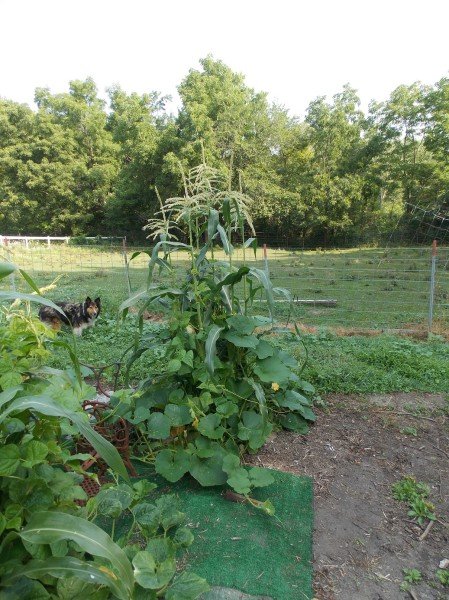
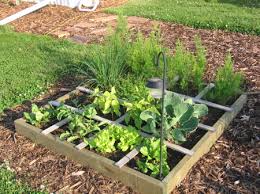
Because we garden with a square foot gardening technique (and love it) we want to choose only the foods we know we’ll eat.  I’ve devoted one 4’x4′ square (so far) to herbs, but want to add some additional, medicinal-type herbs to that.  We’ve enjoyed the 2 types of thyme, the chives, the stevia, basil and 2 types of parsley, but will need to be more diligent in keeping them trimmed back so they don’t fight for space with each other.

In our particular climate there’s some we just can’t grow very well.  I also will welcome any of your thoughts on how to transplant my raspberry and blackberry bushes.  Three are only a year old, and two are 2 years old.  We’ve never cut them back but just let them grab the fence and do their own thing.

Jerusalem Artichokes - How To Store Seeds

We’d love to know more about the Jerusalem Artichoke.  We’ve heard a lot of bad rap about them and have declined to buy the tubers for planting when we’ve seen them at expo’s.

Have any of you had any experiences with them?  Do they “take over everything” and then can’t be gotten rid of… like so many reports say?  The information we’ve gathered is that they’re called “the poor man’s potato”.

Filed Under: Gardening

  • « Go to Previous Page
  • Page 1
  • Interim pages omitted …
  • Page 28
  • Page 29
  • Page 30
  • Page 31
  • Page 32
  • Interim pages omitted …
  • Page 45
  • Go to Next Page »

Copyright © 2026 · Genesis Sample on Genesis Framework · WordPress · Log in

  • Privacy Policy