- A jack knife and a pair of pliers and you can fix, cobble, etc. most anything!
- Pots and Pans! Handy for oh so much!
- Solar landscape lighting! Bring them in for a much safer night time lighting than candles! Their batteries work in other things too! And they can recharge rechargeable batteries!
- Kitchen knives! You have a whole rack of tools there to cut, scrape and chop with!
- Garbage bags! Again so handy for anything from keeping warm and dry, to personal sanitation, to creating shelter and ropes!
- Aluminum foil! Handy for so much, ex. Cooking in, candle holders, reflect heat in and keep heat out!
- Heavy duty extension cords! They work to bring electric in if only you are the one without power and also as rope!
- Electric fence wire! That stuff practically holds my place together anyway!
- A chainsaw! No gun and you have intruders? Start the chainsaw! They won’t stay and you don’t have to be accurate!
- Your dog! Both an alarm and protection, even if it is an ankle biter!
- Duck Tape! What can’t you do with it!
- Whiskey/Alcohol! Sterilize a wound or tend to the pain!
- Car Radio! Emergency news at your fingertips!
- Deck of Cards! Yup, no electric, no lights, no sound, and those cards become mighty appealing!
- Aloe Vera Plant! Burn treatment!
- Anything in your freezer can be used as a cold pack if needed!
- Shower curtain! That is a large hunk of plastic to fix the roof, keep you dry, catch water in or line the bathtub and drain the rest of the water out of your system!
- Tarps, plastic sheeting, etc. Tack them to the walls and ceiling to create one warm/isolation room!
- Hammer! Way better than a rock for almost anything you want to pound on including an unwelcome guest!
- Grill lighter! It makes fire!
100 Items That Disappear First in a Disaster
This list has been around for a while. It has been posted, torn apart, praised, and ridiculed many times, but in case you have not seen it yet, it’s worth reposting.
It was apparently put together on a forum thread, so it’s not like it was etched in stone by the finger of God, but there are some great ideas in here.
My opinion? Great list of things to stock up on. Many are common household items while others are not.
100 Items That Disappear First in a Disaster
1. Generators
(Good ones cost dearly. Gas storage, risky. Noisy…target of thieves; maintenance, etc.)
2. Water Filters/Purifiers
3. Portable Toilets (Increasing in price every two months.)
4. Seasoned Firewood
(About $100 per cord; wood takes 6 – 12 mos. to become dried, for home uses.)
5. Lamp Oil, Wicks, Lamps
(First choice: Buy CLEAR oil. If scarce, stockpile ANY!)
6. Coleman Fuel
(URGENT $2.69-$3.99/gal. Impossible to stockpile too much.)
7. Guns, Ammunition, Pepper Spray, Knives, Clubs, Bats and Slingshots
8. Hand-Can openers and hand egg beaters, whisks (Life savers!)
9. Honey/Syrups/white, brown sugars
10. Rice – Beans – Wheat
(White rice is now $12.95 – 50# bag. Sam’s Club, stock depleted often.)
11. Vegetable oil (for cooking)
(Without it food burns/must be boiled, etc.)
12. Charcoal and Lighter fluid (Will become scarce suddenly.)
13. Water containers
(Urgent Item to obtain. The Waterbob bathtub water storage container is a good place to start)
14. Mini Heater head (Propane) (Without this item, propane won’t heat a room.)
15. Grain Grinder (Non-electric)
16. Propane Cylinders
17. Michael Hyatt’s Y2K Survival Guide
(BEST single y2k handbook for sound advice/tips.)
18. Mantles: Aladdin, Coleman, etc.
(Without this item, longer-term lighting is difficult.)
19. Baby Supplies: Diapers/formula/ointments/aspirin, etc
20. Washboards, Mop Bucket w/wringer (for Laundry)
21. Cook stoves
(Propane, Coleman and Kerosene)
22. Vitamins
(Critical, due 10 Y2K-forced daily canned food diets.)
23. Propane Cylinder Handle-Holder
(Urgent: Small canister use is dangerous without this item.)
24. Feminine Hygiene/Haircare/Skin products
25. Thermal underwear
(Tops and bottoms)
26. Bow saws, axes and hatchets and Wedges (also, honing oil)
27. Aluminum foil Reg. and Heavy. Duty
(Great Cooking and Barter item)
28. Gasoline containers
(Plastic or Metal)
29. Garbage bags
(Impossible to have too many.)
30. Toilet Paper, Kleenex, paper towel
31. Milk – Powdered and Condensed
(Shake liquid every 3 to 4 months.)
32. Garden seeds (Non-hybrid) (A MUST)
33. Clothes pins/line/hangers (A MUST)
34. Coleman’s Pump Repair Kit: 1(800) 835-3278
35. Tuna Fish (in oil)
36. Fire extinguishers
(or.. large box of Baking soda in every room…)
37. First aid kits
38. Batteries (all sizes…buy furthest-out for Expiration Dates)
39. Garlic, spices and vinegar, baking supplies
40. BIG DOGS (and plenty of dog food)
41. Flour, yeast and salt
42. Matches
(“Strike Anywhere” preferred. Boxed, wooden matches will go first.)
43. Writing paper/pads/pencils/solar calculators
44. Insulated ice chests
(good for keeping items from freezing in Wintertime)
45. Work boots, belts, Levis and durable shirts
46. Flashlights/Light Sticks and torches, “No.76 Dietz” Lanterns
47. Journals, Diaries and Scrapbooks
(Jot down ideas, feelings, experiences: Historic times!)
48. Garbage cans Plastic
(great for storage, water, transporting – if with wheels)
49. Men’s Hygiene: Shampoo, Toothbrush/paste, Mouthwash/floss, nail clippers, etc
50. Cast iron cookware (sturdy, efficient)
51. Fishing supplies/tools
52. Mosquito coils/repellent sprays/creams
53. Duct tape
54. Tarps/stakes/twine/nails/rope/spikes
55. Candles
56. Laundry detergent (Liquid)
57. Backpacks and Duffle bags
58. Garden tools and supplies
59. Scissors, fabrics and sewing supplies
60. Canned Fruits, Veggies, Soups, stews, etc.
61. Bleach
(plain, NOT scented: 4 to 6% sodium hypochlorite)
62. Canning supplies (Jars/lids/wax)
63. Knives and Sharpening tools: files, stones, steel
64. Bicycles…Tires/tubes/pumps/chains, etc.
65. Sleeping bags and blankets/pillows/mats
66. Carbon Monoxide Alarm (battery powered)
67. Board Games Cards, Dice
68. d-Con Rat poison, MOUSE PRUFE II, Roach Killer
69. Mousetraps, Ant traps and cockroach magnets
70. Paper plates/cups/utensils (stock up, folks…)
71. Baby Wipes, oils, waterless and Anti-bacterial soap
(saves a lot of water)
72. Rain gear, rubberized boots, etc.
73. Shaving supplies
(razors and creams, talc, after shave)
74. Hand pumps and siphons
(for water and for fuels)
75. Soy sauce, vinegar, bouillons/gravy/soup base
76. Reading glasses
77. Chocolate/Cocoa/Tang/Punch (water enhancers)
78. “Survival-in-a-Can”
79. Woolen clothing, scarves/ear-muffs/mittens
80. BSA – New 1998 – Boy Scout Handbook
(also, Leader’s Catalog)
81. Roll-on Window Insulation Kit (MANCO)
82. Graham crackers, saltines, pretzels, Trail mix/Jerky
83. Popcorn, Peanut Butter, Nuts
84. Socks, Underwear, T-shirts, etc. (extras)
85. Lumber (all types)
86. Wagons and carts
(for transport to and from open Flea markets)
87. Cots and Inflatable Mattresses (for extra guests)
88. Gloves: Work/warming/gardening, etc.
89. Lantern Hangers
90. Screen Patches, glue, nails, screws, nuts and bolts
91. Teas
92. Coffee
93. Cigarettes
94. Wine/Liquors (for bribes, medicinal, etc.)
95. Paraffin wax
96. Glue, nails, nuts, bolts, screws, etc.
97. Chewing gum/candies
98. Atomizers (for cooling/bathing)
99. Hats and cotton neckerchiefs
100. Goats/chickens
Top 10 Preparedness Items You Already Own (but don’t think about)
- Your home-repair tool kit(s). Yes, you CAN get by with a multi tool and a rock, but real tools work a lot better for their intended uses. Get a couple gooseneck crowbars, if you don’t have them already.
- Your kitchen tools. You CAN peel potatoes with a machete, and cook ’em in a canteen cup, but why not think up a way to bring along your favorites? (I have a knife/tool roll that I bring to cooking jobs, but a quick yank can pull 2 magnetic strips out of a sheetrock wall to pack them, too…..)
- Your water heater. About 20 gal. of clean water you can get to, even if utilities are out.
- Manual pencil sharpeners (the cast aluminum ones from an art or craft work better than the slightly-cheaper plastic ones). Quickly put points on sticks/darts, make your own fire tinder rapidly.
- Picnic/Party coolers. There’s almost always a need to keep cold things cool, and hot things warm, without external power.
- Zip-top storage bags–at least a zillion uses.
- Ground cayenne pepper (or hotter chiles). Season food (obviously), repel deer and various other pests, use as a blood-coagulant on wounds (not fun, but does work), steep in warm veg oil for a day or so and fill a dollar store spray bottle when the commercial pepper spray runs out.
- Rope, cord, string, twine. Need I say more?
- Your kids’ old BB guns/slingshots/bows and arrows. Cheap and quiet small game-getters, and there’s an old saying “It hurts a lot more to be hit by a BB, than missed by a .44 Magnum”.
- Electrical extension cords. If there is power available, you’ll need ’em. If not, more cordage.
Outhouse Chicken Coop [Easy DIY]

Keeping chickens is so much a part of a self-reliant lifestyle, that most cities now have ordinances to allow chickens in small quantities as a nod to sustainability. And a few hens are not hard to accommodate.
This old outhouse has been with me now for almost 30 years. But I no longer had a use for it as originally intended. Re-purposing was in order! With just a few modifications it has become an adequate chicken house.
- I covered the open hole seat area with a new sheet of plywood
- Cut a hole in the side about 10”x10” for the chickens to go in and out
- Tacked the fence wire around the hole with 2×4 to frame the opening
- Since the door had long ago fallen off, I replaced it with a full view used storm door from a used center for $8
- I installed two dowel rods for roosting areas
- I attached an old wooden crate for a nest box onto the wall
The chicken pen is away from the barn, so I ran an electric drop cord to it for supplemental lighting and to power the water font heater. That is working just fine and I am using a timer that I got for my Christmas lights to control the lighting.
Their chicken pen is a metal pergola I got on clearance at the end of the season a couple of years ago and covered with chicken wire, including the bottom—predator control! I used cable ties to secure the wire. In the summer they have outside roosts. Added bonus, last summer the squash crawled up and over it providing shade for the chickens and a vertical trellis for the squash!
This was a last minute, just before winter hit, project. Adjustments I hope to make this spring include:
- Add tin under the roosts in order to funnel the manure into plastic gutters run along the bottom of the tin for ease of cleaning and to catch the manure for the compost pile
- Construct roll away nest boxes with outside access so that I don’t have to enter the 4’x4′ building—and the little devils don’t eat their eggs
- Add a secure clip to the light hanger
- Tin the outside of the building
- Hinge the seat area and line the rectangular box under it with tin to keep their feed in
- I might do some stencils on the glass door
Except for the obvious form of the building the function has been completely altered!
Related: Chicken Doctoring
How to Earn Extra Money as A Tour Bus Driver
Have you ever wanted to travel, go to places and see things that you thought you would never be able to see, and meet interesting people? And get paid for doing it! If the answer is yes, then let me tell you about what life is like as a professional tour bus driver.
Before we get to the good stuff, let me tell you how you can get started. There are some hoops you must jump through before your adventure begins.
You must be 21 years of age, (I don’t think this will be a problem for most of our readers), and have a Commercial Drivers Licenses, (CDL), in the state in which you reside. Here’s where the hoops start.
The first hoop you must jump through is to pass a CDL physical exam and drug screen. The exam is usually good for two years. However you will be subjected to random drug screening test with your employer.
The driver’s license must have certain endorsements, for a tour bus driver you must have what is called a “P” endorsement, which is for passengers, and pass the air brake qualifications portion on your CDL written test. This test is in several sections, and takes 30-45 minutes. After passing the test you must then pass a driving test in the type vehicle you will be driving. This test is comprised of various skills, and is followed by a 15-20 mile driving test.
The next step is probably the hardest. You must gain experience driving a bus. There are several routes you can take. One, school districts are usually looking for school bus drivers, and second, many metropolitan transit companies are looking for drivers. Unless you have prior experience driving the big rigs (18 wheelers), or you can find a small tour bus company that will hire and train you at the same time, the first two options may be your best opportunity.
I chose the second, driving for a metropolitan bus company, and I did have some big rig experience, prior to CDL’s, when I was much younger.
Now the adventure begins. The picture you see is similar to the type tour-bus that I drove for approximately five years, part-time/full-time.
How’s the pay you ask? You are not going to get rich driving a tour-bus, however there are some pretty cool perks. The pay ranges all over the books. Some motor coach carriers pay by the mile, some pay by the hour, some pay by the trip, and others have combinations of all the above. Most all pay a per-diem for meals, and pay for you’re sleeping accommodations when on overnight, or multi-night stays. The company I worked for paid mileage rate or an hourly rate, whichever was the greater. And there was an 8 hour minimum pay if you were called to work, regardless of how few hours you drove or miles you drove.
The cool perks were that I got to go to places I had never been, and see and do things I had always wanted to do, like:
- Seeing shows in Branson, MO.
- Going to major league baseball games in Atlanta, GA, and St. Louis, MO
- Touring major civil war battlefields at Gettysburg, PA and Shiloh, in Tennessee
- Touring Washington, DC and seeing all the history that our Nation’s Capital affords. Even if we don’t always agree with what goes on concerning our government, the visit to the Smithsonian is worth the visit.
- Touring homes such as Washington’s- Mount Vernon, and Jefferson’s- Montpelier
- Going to places like Disney World in Orlando, FL, and Mammoth Cave in Kentucky.
There were so many experiences and places; there is not enough time or space to list them all. The really cool perk was: I got paid to do it, and in most instances, the driver is comped, in other words, I never had to pay to see and do all these things.
However, there are a few drawbacks. You probably have guessed a few by now.
- The first is being away from home and your spouse, for those of us married.
- You drive some really weird hours, a lot of very early mornings, and late nights.
- The one thing that surprised me the most was the amount of night driving you had to do. You will often be called to work on short notice.
There are others, but like every job, if it were perfect, everyone would be doing it. Driving a tour-bus may not be for everyone, but I can honestly say I enjoyed my time behind the wheel, and it did help supplement our income. I still have an active CDL, and current CDL physical.
Should You Consider a Bug Out Bike?
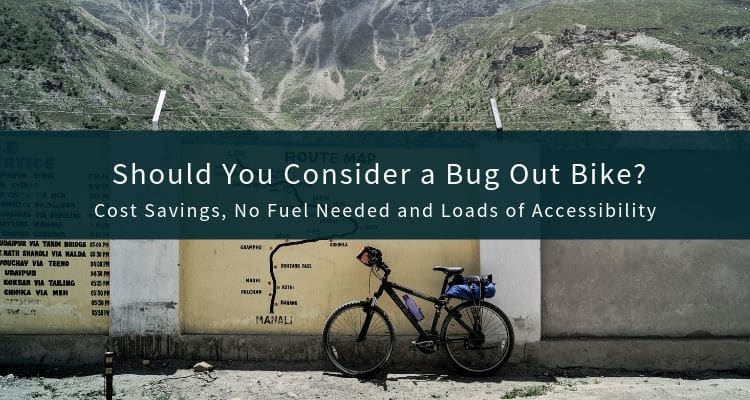
The right bicycle can mean fun and exercise. But it can also be one of your most valuable preparedness items.
Think about it:
It is one of the most popular recreational “vehicles“, takes up very little space, is easy to transport with a bicycle carrier, and doesn’t need fuel or need to be fed!
The bicycle is also awesome as a bug out vehicle if you want to save money, the grid goes down, or you want to bug out without a vehicle.
1. Bikes Are Great For Money Savings
Your bicycle can take you to your job on a nice day and up to the market with no gas spent using just your own muscles for power. Put some pack bags on it and you can carry a lot of groceries or other items. And you are exercising too!
With a bicycle generator, you can power a small TV, computer, recharge batteries or your cellphone and get exercise too!
2. Bikes Don’t Need Fuel in Grid Down Scenarios
For whatever reason, if the grid goes down you still have transportation that takes absolutely no fuel. It is easily repaired, stored, hidden and practically silent! I hate meeting bikes on the trail with horses as almost invariably the horses spook when encountering bikes.
Fit it with packs and you can haul a lot. Add a cart and you can haul water, produce, and even animals.
3. Bikes Can Get In and Out of Places That Cars Can’t When Bugging Out
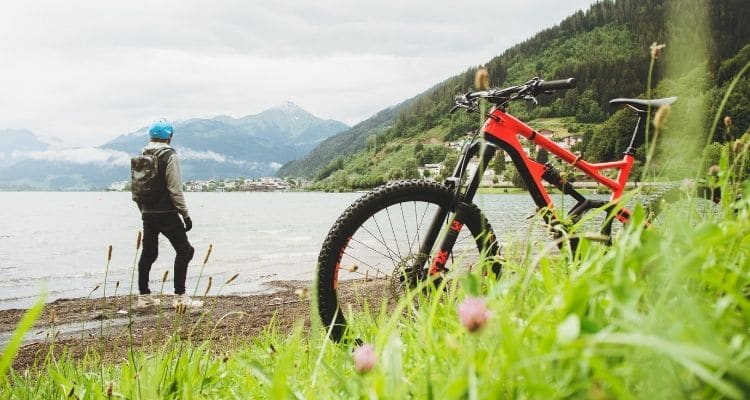
The right bicycle can pretty much go anywhere off-road that a horse can. You can pack it and you can even pull a cart with it. On the road you can easily go 40 mph with the geared bikes and travel all day if you are in shape and with a cart or packed you can weave in and out of stopped traffic easily. You can even make it into a camper!
And you can customize your bike fairly easily and cheaply. Add a windshield or surry top. I have even seen rifle mounts on mountain bikes used for hunting.