



The WaterBob is a bathtub bladder that stores 100 gallons of drinking water for about $35. It deploys in 20 minutes, uses FDA-approved food-grade plastic, and keeps water safe for up to 16 weeks. If a hurricane, ice storm, or rolling blackout is coming and you have a bathtub, it’s one of the most practical emergency purchases you can make.
We’ve had one in the prep closet for years. Here’s the honest version — what it does well, the one real limitation, how it compares to the alternatives, and answers to the questions we actually called the company to ask.
- ~$35 — cheaper than a case of bottled water per gallon
- Stores flat — takes up almost no space until deployed
- Deploys in 15–30 minutes — as fast as filling a bathtub

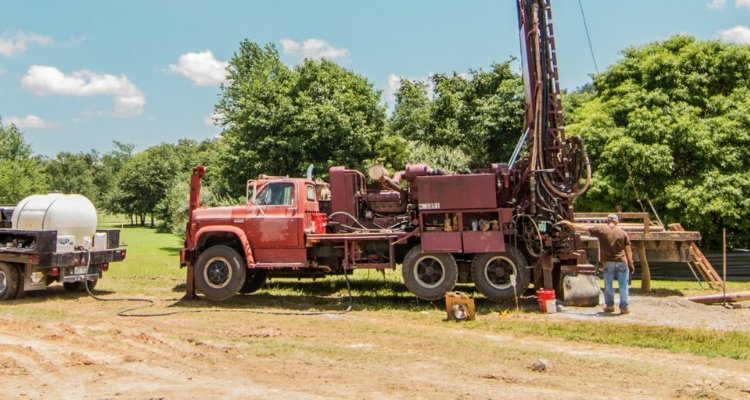
There have always been threats to clean water — tornadoes, hurricanes, earthquakes, contamination events. I had family near Toledo who used bottled water for nearly a month after a toxic algae bloom contaminated the municipal supply one unusually warm summer. It came with almost no warning.
One of the most critical things to understand about municipal water: a power outage almost always means no water too. Pumps can’t run without electricity. If you’re on city water and the grid goes down, your taps stop. Without a solid emergency water plan, you’re immediately dependent on whatever’s left at the grocery store — which goes fast.
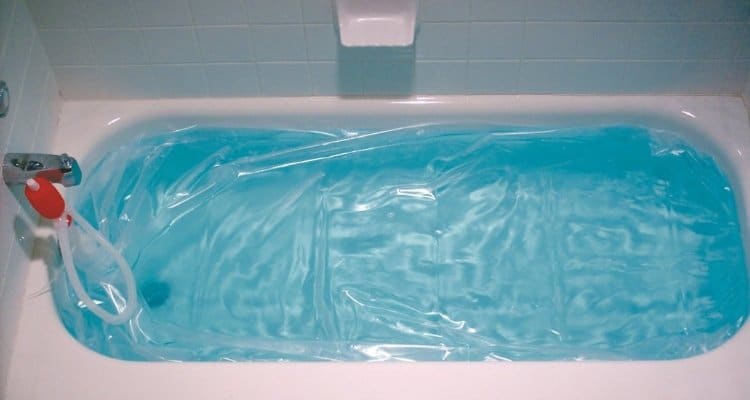

WaterBob Pros
- Compact storage — ships in a small box, stores flat in a closet or drawer until needed
- FDA-approved, BPA-free food-grade plastic — not a concern if you’re storing drinking water
- 100 gallons for 16 weeks — that’s a family of four at the Ready.gov one-gallon-per-person-per-day baseline for 25 days, or one person for three months
- Included siphon pump — no need to tip or move the tub to access the water
- ~$35 — inexpensive enough to keep a spare
WaterBob Cons
- Requires 15–30 minutes of notice. This is the real limitation, and it’s worth being clear about. The WaterBob is perfect for predictable disasters — hurricanes, approaching ice storms, rolling blackout warnings, wildfire evacuations with lead time. It’s not useful for sudden events like earthquakes or unexpected power cuts. You need enough warning to fill a bathtub.
- Single use per manufacturer’s instructions. More on this below — we called the company.
- Holds less than storage barrels. Two 55-gallon barrels beat it on total volume, but they cost $100–200 each and require permanent storage space most apartment dwellers don’t have.
How To Use Your WaterBob
Intentionally simple. The whole setup takes less than half an hour.
- Remove the bladder from the box and unfold it in the tub.
- Position it with the filling valve closest to the faucet end — not the drain end.
- Connect the fill tube to the faucet and start running water.
- Fill time is 15–30 minutes. Don’t walk away entirely — check it partway through.
- Add water purification drops immediately after filling if you have them — do it while you remember, and they’ll start treating the water right away.
- Access water using the included siphon pump. Place your container below the pump level — this gets harder to manage as the water level drops, worth knowing up front.
Real Stories: WaterBob in Actual Hurricanes
With over 1,200 ratings and a 4.7/5 on Amazon, the WaterBob has an unusually strong real-world track record — not just prepper speculation, but people who actually deployed it during Hurricanes Matthew, Irma, and others. Three reviews worth reading:
A two-time hurricane survivor who used it during both Matthew and Irma:

A Florida resident who lost power for a full week:

A Hurricane Matthew survivor who deployed it once the storm hit:

About WaterBob
Tony Woodruff invented the WaterBob after watching people scramble for bottled water before and after natural disasters. The pattern was always the same: officials declare an emergency, stores empty within hours, and people without a plan are left dependent on FEMA, the Red Cross, or whoever shows up. He wanted a solution that cost less than $40, stored flat, and could be deployed in the time it takes to fill a tub.
WaterBob uses BPA-free, FDA-approved food-grade plastic throughout. The product has been mentioned in prepper books including Lights Out and covered by CNN and National Geographic. Over a thousand verified purchases later, the 4.7-star average holds — unusual for a product that gets used in actual emergencies where expectations are high.
Who It’s Best For
The WaterBob is especially well-suited for apartment dwellers and urban preppers who don’t have space for barrels or the budget for a permanent water storage setup. A 55-gallon drum takes up real estate and costs $100–200. Two water bricks hold 7 gallons and require ongoing rotation. The WaterBob stores in a kitchen drawer, costs $35, and turns any standard bathtub into a 100-gallon emergency reservoir on demand.
One storage note: keep the unused bladder in a dry place. Once filled, keep it out of direct sunlight — prolonged UV exposure promotes algae growth inside the bladder. The CDC’s baseline recommendation is one gallon per person per day (Ready.gov, Water), which means 100 gallons covers a family of four for 25 days — well past the window for most disaster relief responses.
Why Water Storage Matters More Than Most Preppers Plan For
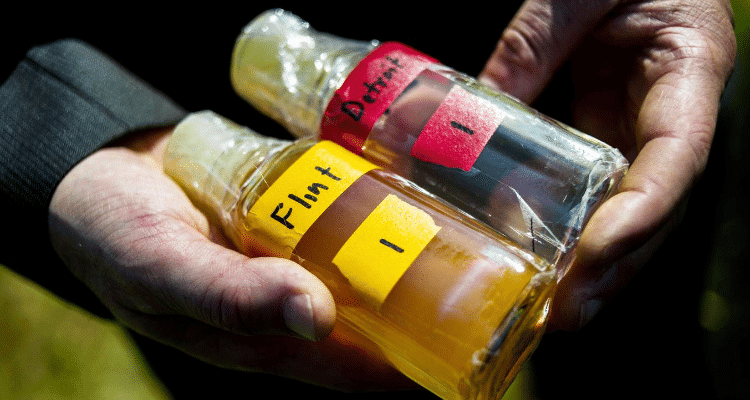
The Flint, Michigan water crisis is the most visible example, but infrastructure failures happen in every state. According to the CDC, contaminated water causes thousands of illnesses and deaths in the US annually from diseases including dysentery, typhoid, and hepatitis. Most people assume it won’t happen to them. Municipal systems are more vulnerable than the infrastructure looks — aging pipes, flood contamination, power-dependent pump stations.
The three-day minimum most emergency guides recommend is genuinely the minimum. A week is better. A month — which two 55-gallon barrels covers for a family of four — is real preparedness. The WaterBob is not a substitute for a permanent water plan, but it’s an excellent first layer and a reliable backup even if you have barrels, because barrels require lead time to position and fill. The WaterBob deploys in 20 minutes from a box on a closet shelf.
How WaterBob Compares to Other Water Storage Options
AquaPod Bathtub Bladder
AquaPod is WaterBob’s main direct competitor. It holds about 70 gallons (vs. 100) and keeps water safe for approximately 8 weeks (vs. 16). Both are bathtub bladders at similar price points. WaterBob wins on both capacity and shelf life — for $35 in either case, there’s no compelling reason to choose the smaller, shorter-lived option.
55-Gallon Water Storage Barrel
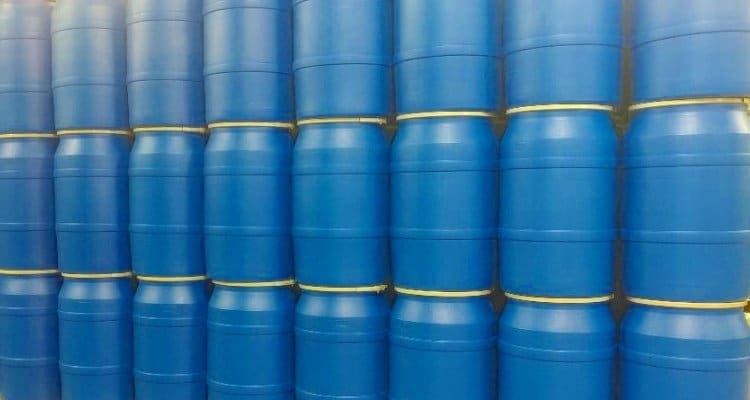
Barrels are the right answer if you have the space and the budget. At $100–200 per barrel, two of them keep a family of four hydrated for about a month — more total water, more permanent, more stable. The tradeoff is that they require a dedicated storage spot (a garage, a basement, a utility room) and are essentially impossible to move once filled. For anyone with that space, barrels should be part of the plan. For anyone without it, the WaterBob fills the gap that barrels can’t.
Water Bricks and Portable Containers
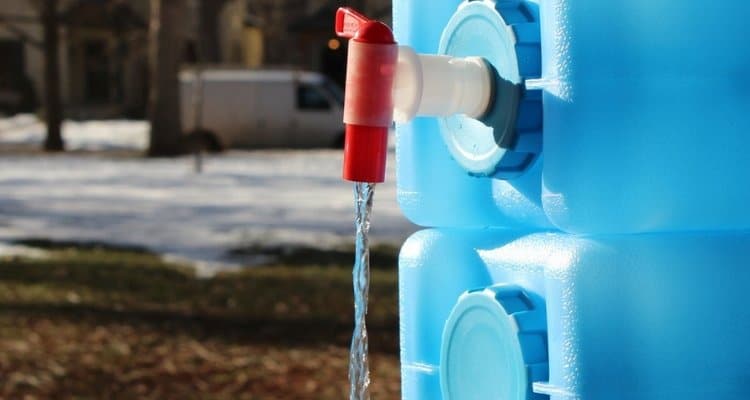
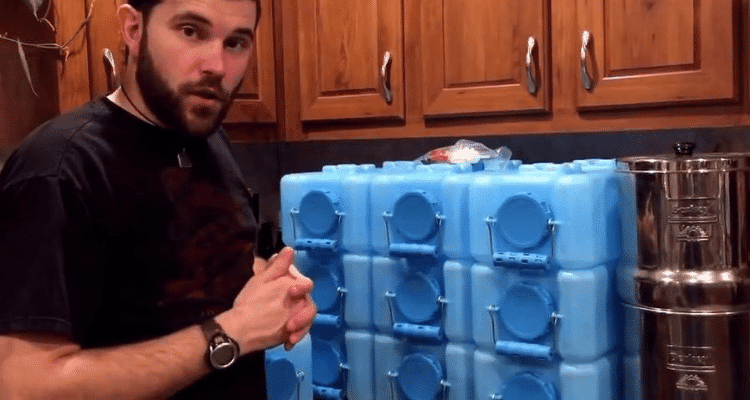
Water bricks — stackable containers holding 3.5 to 7 gallons each — are a modular approach that works well for building storage incrementally. A Reliance Aqua-tainer holds 7 gallons for around $15. The catch is rotation: water should be cycled annually, and doing that across 15 individual bricks is a genuine chore. They also don’t come close to 100 gallons in an affordable, deployable format. Good for supplementing a plan; not a substitute for either barrels or the WaterBob.
FAQs
Can my bathtub support the weight of a full WaterBob?
Yes. 100 gallons at 8.3 lbs per gallon is about 830 pounds — which sounds alarming until you remember that a bathtub full of water already weighs the same. Standard residential tubs are designed to hold that load. The WaterBob distributes the weight across the same surface area as a full tub of water. No structural concern for a standard bathtub.
How does the hand pump work?
The included siphon pump has an opaque plastic hose. Unscrew the access cap, insert the pump, and place your container below the pump level to draw water out. Replace the cap when done. One honest caveat: as the water level drops, your container needs to be lower than the pump — this gets progressively harder to manage in a standard tub. A low pitcher or a cut-down jug works better than a tall container for the later stages.
Can I really only use it once?
Per WaterBob’s instructions, yes: slit the bladder after use, drain, and dispose. We called the company to ask why. The answer was straightforward — because it’s nearly impossible to fully dry the inside after use, and residual moisture creates a mold and mildew risk if it’s stored for the next emergency. They recommend disposal to avoid liability when someone inevitably tries to reuse one and gets sick.
That said, some hurricane-prone preppers have reported reusing theirs — exclusively for non-potable purposes like flushing toilets and showering, not drinking. If you’re in that camp, that’s a reasonable call. Just don’t drink from a reused bladder you haven’t been able to fully dry and inspect.
How often should I rotate stored water?
Once a year is the standard recommendation. Properly stored water doesn’t technically “expire,” but bacterial growth and taste degradation happen over time. The WaterBob itself keeps water safe for 16 weeks — so if you fill it during an emergency and the emergency lasts longer than four months, you’re in different territory and should be treating the water before drinking. For regularly stored containers (barrels, bricks), annual rotation is good practice. Swirl the water before drinking older stored water to reintroduce oxygen, which improves taste.
Bottom Line
The WaterBob is one of the most sensible $35 preparedness purchases available. It turns an unused asset — your bathtub — into 100 gallons of emergency water storage that deploys in 20 minutes. For apartment dwellers and urban preppers without barrel storage space, it fills a gap that no other affordable option covers. For homesteaders and rural preppers with permanent water storage, it’s a fast-deploy backup that stores in almost no space.
The limitation is real and worth planning around: you need a warning window. Add the WaterBob to your preparedness kit now, so that when a hurricane watch comes or a boil-water advisory hits, you’re not scrambling to order it two days too late. Pair it with a broader water plan — stored water for medical use, a filtration method for resupply, and enough everyday storage to cover the gap between now and the next emergency.